Welcome to Assured Energy

Managing energy costs is an important part of running a business, but understanding business energy can sometimes feel complicated. From choosing the right tariff and making sense of your bills to managing rising costs and finding the right supplier or energy partner, there’s a lot to consider. This can be particularly challenging for businesses with high energy use, extended or seasonal opening hours, tight budgets or lack of in-house energy expertise.
That’s why we’ve created this simple guide to understanding business energy, covering everything you need to know to improve stability, make smarter decisions and reduce costs for your business.
There are lots of different types of business energy tariffs, with the best one for your business depending on your energy usage, budget, and how much flexibility you need.
One of the main considerations is whether you should opt for a fixed or flexible energy contract.
Fixed-rate contract: The price of a unit of energy in kWh (kilowatt-hour) is agreed upon and set for the duration of your contract. You monthly bill may go up and down each month depending on how much energy you use, but the price you pay per kWh is locked in.
Fixed contracts are best suited to businesses that need stability and more predictable energy costs. This is because no matter what happens in the energy market, if you’re under a fixed-term contract, your prices will not rise. However, if energy prices fall, you will continue to pay the unit rate you signed up for.
Flexible-rate contract: The price per kWh of a unit of energy could rise or fall depending on the markets. Most flexible-rate contracts operate on a rolling basis as opposed to a fixed length of time.
Flexible contracts are best suited to businesses that are equipped to manage risk.
If market conditions improve, your unit rate will drop, and your monthly bill may go down, however, if market conditions worsen, or an energy shock hits, your unit rate will rise, and your monthly bill may go up.
Other types of business energy tariffs include:
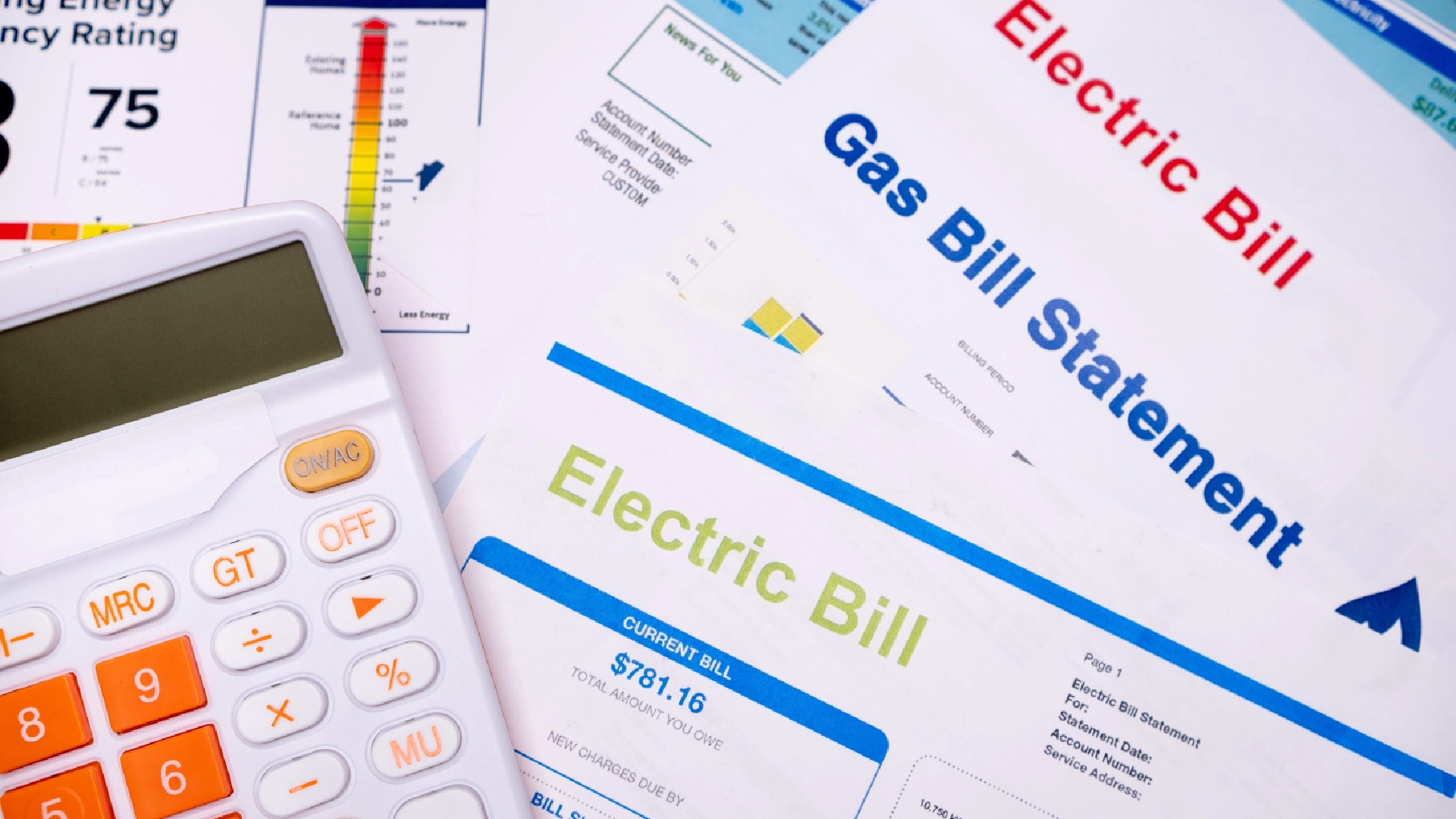
Your business energy bills are made up of a combination of your actual energy usage, fixed daily charges, and various taxes and levies.
The charges you will see on your bill include:
Just over one third of your energy bill is your actual energy use, the rest is made up of non-commodity costs.
There are lots of factors that can affect the amount you pay for your energy such as:
Supply and demand – When supply exceeds demand, there is more energy available than needed, so prices tend to fall. Conversely, when demand exceeds supply, available energy is limited, causing prices to rise.
Time of day – The cost of electricity can fluctuate during the day, with day-time rates being higher than night-time rates, due to changes in demand during typical business hours. If your business operates outside of typical ‘office hours’, you may be able to take advantage of these off-peak rates.
Global and geopolitical events – Disruption such as political tensions, extreme weather events and natural disasters can cause issues with the production and transportation of electricity, affecting prices.
There are also a number of government-imposed taxes and levies applied to energy bills, and businesses may be offered incentives in the form of lower VAT rates or removal of an environmental levy if they use less energy, move away from fossil fuels or adopt renewable energy.
Energy costs account for a large portion of operating costs for many businesses. With 64% of businesses reporting concerns about rising energy prices, finding ways to reduce energy costs and improve efficiency has never been more important.
There are several factors that can contribute to higher energy bills:

When it comes to reducing energy costs, finding the right balance of reducing energy usage without compromising on service or product quality is essential.
In order to do this, business owners should place their focus on using energy more efficiently, securing competitive energy contracts, identifying billing errors and investing in technologies that reduce long-term consumption.
Some key ways that your business can reduce energy costs include:
At Assured Energy, we understand that managing your business energy can feel complicated or overwhelming. That’s why our team of energy experts are on hand to help you.
Whether you need help understanding market fluctuations or simply want to compare the best rates from different suppliers, our team will do the legwork for you.
Join thousands of customers already saving on their business energy bills and get your free quote today.